
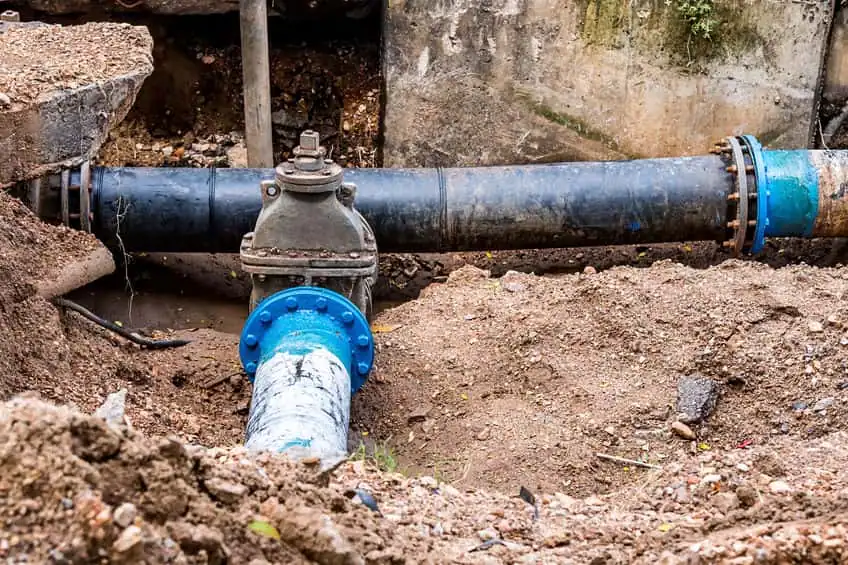
A sewer problem gets a lot harder to ignore when you realize what it can cost to fix. Sewer line replacement typically costs $1,388 to $5,323 on average, and the total can climb much higher depending on the damage, access, and excavation required. The difference between a homeowner who ends up facing that kind of bill and one who catches the problem earlier often comes down to understanding what causes sewer damage in the first place and how to repair it. Sewer issues are easy to brush off at first, and people often assume they are just a clog, a drain issue, or a small plumbing problem. But if you want a better chance of catching the warning signs before the damage gets worse and the sewer repair gets more expensive, keep reading. What you learn here could help you avoid a much bigger mess later.
1. Tree Root Intrusion
Tree roots are one of the most common causes of sewer line damage, and they enter through vulnerabilities most homeowners never know exist.
Roots naturally seek moisture. A sewer line with a small crack, a slightly separated joint, or an aging connection is an open invitation to trouble. Once roots find their way in, they grow thicker inside the pipe and start catching everything that flows past. Toilet paper, waste, and debris snag on the roots, and the blockage builds gradually over time.
You will usually notice this as recurring clogs that keep coming back after clearing, gurgling sounds from drains, or multiple fixtures slowing down at the same time.
How it is repaired: A sewer inspection confirms where the roots have entered and how far they have spread. Minor intrusions can often be cleared with hydro-jetting, which removes roots and restores the pipe’s full diameter. If roots have cracked or collapsed a section of the line, sewer line repair through trenchless methods or traditional excavation becomes necessary. The key is that a camera inspection determines which approach fits before any repair work begins.
2. Pipe Corrosion and Aging
Older sewer lines made from cast iron or clay deteriorate from the inside out, and the damage is often invisible until flow is significantly affected.
Over years of use, the interior walls of these pipes roughen and corrode. That rough surface catches debris more easily, and the pipe diameter gradually narrows. Eventually, the corrosion weakens the pipe enough that cracks form or sections begin to collapse.
Signs typically include frequent backups, rust-coloured water during drainage, and slow flow that gets progressively worse over months or years rather than appearing suddenly.
How it is repaired: A camera inspection reveals the extent of the corrosion. If the damage is localized to a specific section, trenchless pipe lining can seal and reinforce the pipe from the inside without excavation. If deterioration is widespread across the full length of the line, a complete sewer line repair or replacement is usually the more practical long-term solution.
3. Ground Shifting and Pipe Misalignment
Soil movement from settling, drought cycles, or nearby construction can shift sewer pipes out of alignment, creating low spots where waste collects and blockages form.
In Central Texas, where clay-heavy soil expands during wet seasons and contracts during dry periods, this kind of movement is common. Pipes separate at joints or develop bellies (sagging sections that trap water and debris instead of letting them flow through).
The telltale sign is a recurring backup that keeps happening in the same spot, even after the line has been cleared. Standing water in a cleanout is another indicator.
How it is repaired: A sewer inspection identifies exactly where the misalignment or belly is and how severe it has become. Bellied sections typically require excavation and replacement of the affected segment, as there is no way to re-level a sunk pipe without physically accessing it. Joint separations may be repairable with trenchless lining, depending on how far apart the sections have shifted.
4. Grease, Debris, and Buildup Over Time
Not all sewer damage comes from structural failure. Chronic buildup from grease, soap, and debris can narrow a line until it functions like a partially blocked pipe.
Grease goes down the kitchen drain as a liquid but cools and hardens inside the pipe. Soap residue, food particles, and other debris layer on top over time. The pipe diameter shrinks gradually. You will usually notice the kitchen drains slowing first, followed by other fixtures as the restriction worsens.
How it is repaired: Professional hydro-jetting clears the full interior diameter of the pipe, removing grease, scale, and debris that a basic snake cannot reach. If the buildup has been severe enough to cause secondary damage (cracks from internal pressure, joint separation from the added weight), sewer line repair may be needed after the cleaning restores visibility of the pipe’s actual condition.
5. Damaged or Collapsed Pipe Sections
When a sewer pipe cracks, collapses, or breaks apart, flow stops partially or completely, and the damage requires direct structural repair.
This can happen from age, sustained pressure, root intrusion that went unaddressed, or ground movement that exceeded what the pipe could handle. The result is a section of line that no longer functions as a pipe.
Signs are more dramatic than other causes: a complete backup, sewage surfacing in the yard, or a sudden sinkhole or depression in the ground above the sewer line.
How it is repaired: Camera inspection confirms the location and extent of the collapse. Repair options include trenchless pipe bursting (pulling a new pipe through the old one, breaking the old pipe outward as it goes) or traditional excavation and replacement. The right method depends on the depth of the line, the access available, and how much of the pipe is compromised. In all cases, a sewer inspection is the starting point.
When to Call a Plumber for Sewer Inspection
Some sewer symptoms are worth monitoring. Others need a professional plumbing evaluation before the situation escalates from inconvenient to structurally damaging.
Call for a sewer inspection if you notice:
- More than one drain is slowing or backing up at the same time
- A smell like rotten egg inside or outside the house that does not go away
- Gurgling sounds from toilets or drains when water runs elsewhere in the house
- Wet or unusually green patches in the yard with no obvious source
- A backup that returns within days of being cleared
- Any sign of sewage surfacing above ground
A sewer inspection is the only way to confirm what is actually happening inside the line. Everything before that is guessing.
Start With What the Camera Shows
Sewer damage does not always look dramatic from the surface, but what is happening inside the line determines whether you are dealing with a simple clearing or a structural sewer repair.
The next step is not guessing which category applies. It is finding out what the line actually shows before any repair decision is made.
That kind of evaluation requires a plumber who runs the camera first, walks you through what the footage reveals, and recommends a repair method based on what they find rather than what is easiest to quote.
Doug The Plumber runs sewer camera inspections and walks homeowners through exactly what the footage shows before recommending any work. If your drains are telling you something is off, that inspection is where the answer starts.